Plastic Model Starter Kit: 7 Essential Tools You Must Know
If you’re venturing into the fascinating world of scale modeling, a plastic model starter kit is your best friend. This kit equips you with the fundamental tools and materials needed to bring your creative visions to life. Whether you’re a beginner or looking to refine your skills, having the right starter kit can make all the difference in your modeling experience.
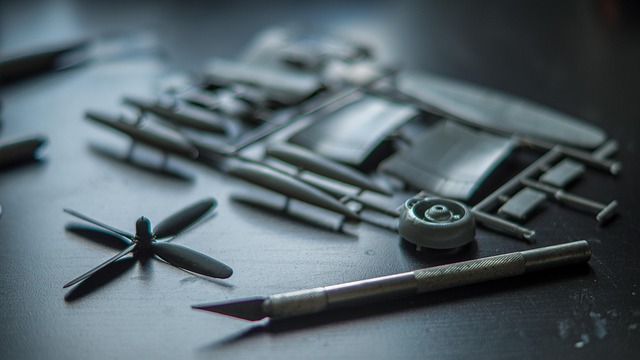
What to Look for in a Plastic Model Starter Kit
Choosing the right plastic model starter kit can be overwhelming due to the variety of options available. Here are some key factors to consider:
- Quality of Materials: Ensure the kit includes high-quality plastic and tools that will last through multiple projects.
- Included Accessories: Look for kits that come with paints, brushes, and adhesives.
- Skill Level: Some kits are designed for beginners, while others may be more suited for advanced modelers.
- Scale Variety: Consider kits that offer a range of scales to explore different model sizes.
Top 5 Plastic Model Starter Kits for Beginners
Here are five highly recommended plastic model starter kits that cater to beginners:
- Tamiya Model Kits: Known for their precision and detail, Tamiya offers a range of beginner-friendly kits.
- Revell Starter Sets: These kits often include everything you need, from models to paint, making them ideal for newcomers.
- Airfix Starter Kits: Perfect for those interested in historical models, Airfix provides easy-to-follow instructions.
- Italeri Model Kits: With a variety of themes, Italeri kits are great for beginners looking to explore different genres.
- Bandai Model Kits: For fans of anime and sci-fi, Bandai offers unique models that are fun to assemble.
Essential Tools in a Plastic Model Starter Kit
A comprehensive plastic model starter kit should include several essential tools that will aid in the construction and finishing of your models. Here’s a list of must-have tools:
1. Hobby Knife
A sharp hobby knife is crucial for trimming excess plastic from model parts. It’s essential for achieving clean edges and precise cuts.
2. Tweezers
Tweezers help in handling small parts and applying decals without damaging them. Look for fine-point tweezers for better grip.
3. Paintbrushes
Invest in a set of quality paintbrushes of various sizes. They are vital for detailing and painting your models.
4. Sanding Tools
Sanding sticks or files are necessary for smoothing out rough edges and surfaces on your model parts.
5. Glue
Plastic cement or super glue is essential for assembling your model. Ensure you choose a glue that is suitable for plastic models.
How to Assemble Your First Model from a Plastic Model Starter Kit
Assembling your first model can be an exciting yet daunting task. Here’s a step-by-step guide to help you get started:
Step 1: Gather Your Materials
Before you begin, ensure you have all the necessary tools and your plastic model starter kit at hand. This includes your model parts, glue, and paint.
Step 2: Read the Instructions
Take time to read the instructions provided in your kit. Understanding the assembly process is crucial for a successful build.
Step 3: Prepare the Parts
Using your hobby knife, carefully cut the parts from the sprue. Sand any rough edges to ensure a smooth fit.
Step 4: Assemble the Model
Start by gluing the larger pieces together and work your way to smaller components. Allow adequate drying time for each section.
Step 5: Paint and Detail
Once assembled, you can begin painting your model. Use thin coats for an even finish and allow each layer to dry before applying the next.
Common Mistakes to Avoid with Your Plastic Model Starter Kit
Even with the best intentions, beginners often make mistakes when starting with a plastic model starter kit. Here are some common pitfalls to avoid:
- Skipping the Instructions: Always follow the instructions to avoid assembly errors.
- Using the Wrong Glue: Ensure you use glue specifically designed for plastic models to prevent damage.
- Overloading with Paint: Applying too much paint can obscure details; use thin layers instead.
- Neglecting Cleanliness: Keep your workspace clean to avoid dust and debris on your model.
Where to Buy Your Plastic Model Starter Kit
Finding the right plastic model starter kit is key to your modeling success. Here are some popular places to purchase your kit:
1. Local Hobby Shops
Visit local hobby shops where you can get personalized advice and see the kits in person. This is a great way to support local businesses.
2. Online Retailers
Websites like Amazon and Hobby Lobby offer a wide variety of plastic model starter kits and tools.
3. Specialty Model Stores
Online stores specializing in scale models often have a more extensive selection. Check out Scale Hobbyist for a dedicated range of kits.
Tips for Enhancing Your Modeling Skills
Once you’ve got your plastic model starter kit and have completed your first project, here are some tips to enhance your skills:
Join a Modeling Community
Engaging with fellow modelers can provide valuable insights and inspiration. Look for local clubs or online forums where you can share your work and learn from others.
Watch Tutorials
There are countless video tutorials available online that can guide you through various techniques. Platforms like YouTube are treasure troves of modeling knowledge.
Experiment with Techniques
Don’t hesitate to try new painting and assembly techniques. Experimentation is key to improvement and discovering your unique style.
Attend Workshops
Look for workshops in your area that focus on scale modeling. These can offer hands-on experience and expert advice.
: Your Journey into the World of Scale Modeling
With a plastic model starter kit in hand, you’re well on your way to exploring the rewarding hobby of scale modeling. Embrace the learning process, be patient, and most importantly, enjoy the journey of creating your own miniature masterpieces.
Plastic Model Starter Kit: The Ultimate Guide for Beginners
Embarking on the journey of scale modeling can be both exciting and overwhelming, especially for beginners. A plastic model starter kit is essential for anyone looking to dive into this rewarding hobby. This guide will help you understand what to look for in a starter kit and provide you with the necessary tools to kickstart your modeling adventure.
What to Look For in a Plastic Model Starter Kit
When selecting a plastic model starter kit, consider the following features:
- Quality of Materials: Ensure the kit includes high-quality plastic parts that are easy to assemble.
- Level of Detail: Look for kits that offer a good balance of detail without being too complex for beginners.
- Instructions: Clear, step-by-step instructions are crucial for first-timers.
- Tools Included: Some kits come with essential tools, which can save you time and money.
Top 5 Essential Tools for Your Plastic Model Starter Kit
In addition to the model itself, having the right tools is vital for a successful build. Here are five essential tools you should consider including in your plastic model starter kit:
- Modeling Knife: A sharp knife is necessary for cutting parts from the sprue and trimming edges.
- Glue: Plastic cement or super glue is essential for assembling your model parts securely.
- Paints and Brushes: Quality acrylic paints and a range of brushes will help you achieve the desired finish.
- Sandpaper: Fine-grit sandpaper is useful for smoothing out rough edges and seams.
- Cutting Mat: A self-healing cutting mat protects your workspace and provides a safe surface for cutting.
Benefits of Using a Plastic Model Starter Kit
Choosing a plastic model starter kit offers several advantages:
- Cost-Effective: Starter kits often bundle essential components at a lower price than purchasing items individually.
- Convenience: Everything you need is in one package, making it easier to get started.
- Guidance: Many kits come with beginner-friendly instructions to help you through the building process.
Where to Find the Best Plastic Model Starter Kits
To find the best plastic model starter kit, consider visiting reputable online retailers or local hobby shops. Websites like HobbyLink and ScaleMates offer a wide variety of kits and user reviews to help you make an informed decision.
Tips for Assembling Your Plastic Model Starter Kit
Here are some tips to ensure a smooth assembly process:
- Read Instructions Thoroughly: Before starting, carefully read the instructions to understand each step.
- Organize Your Workspace: Keep your tools and parts organized to avoid losing pieces.
- Take Your Time: Rushing can lead to mistakes, so take your time to ensure everything fits correctly.
- Practice Patience: Modeling requires precision and patience; don’t rush through the details.
: Your Journey Begins with the Right Plastic Model Starter Kit
By choosing the right plastic model starter kit and following these guidelines, you’re setting yourself up for a rewarding and enjoyable experience in the world of scale modeling.
Plastic Model Starter Kit: The Ultimate Guide to Choosing the Right Scale
When embarking on your modeling journey, selecting the right scale is crucial. The plastic model starter kit you choose can greatly influence your experience and final results. Different scales offer various levels of detail, size, and complexity, catering to a range of skill levels. Understanding these nuances will help you make an informed decision.
Understanding Model Scales
Model scales are a ratio that indicates how much smaller the model is compared to the real object. Here are some common scales you’ll encounter:
- 1:24 Scale: Ideal for beginners, this scale offers a good balance of detail and manageability.
- 1:48 Scale: Popular for aircraft models, providing a nice level of detail without being overly complex.
- 1:72 Scale: Commonly used for military models, this scale allows for a wide variety of subjects.
- 1:144 Scale: Great for those looking to create dioramas with multiple models in a limited space.
Why Scale Matters in Your Plastic Model Starter Kit
The scale of your plastic model starter kit affects several factors:
- Detail Level: Larger scales typically allow for more intricate details.
- Size: Consider your workspace; larger models require more room.
- Complexity: Smaller scales may have more pieces, which can be daunting for beginners.
Choosing the Right Scale for Your Plastic Model Starter Kit
Here are some essential tips to help you choose the right scale for your plastic model starter kit:
- Assess Your Skill Level: Beginners might prefer larger scales (like 1:24) for easier handling and assembly.
- Consider Your Interests: If you’re passionate about aircraft, a 1:48 scale might be your best bet.
- Evaluate Your Space: Ensure you have enough room for the model size you choose.
- Check the Availability of Kits: Some scales have more kits available, making it easier to find what you want.
- Think About Future Projects: If you plan to expand your collection, consider a scale that offers a variety of subjects.
Popular Scales in Plastic Model Starter Kits
Here’s a quick look at some popular scales and their typical applications:
| Scale | Typical Use | Beginner Friendly |
|---|---|---|
| 1:24 | Cars, Trucks | Yes |
| 1:48 | Aircraft | Yes |
| 1:72 | Military Vehicles | Moderate |
| 1:144 | Dioramas | Moderate |
Resources for Further Learning
To deepen your understanding of model scales, check out these authoritative sources:
Choosing the right scale for your plastic model starter kit is essential for ensuring an enjoyable and successful modeling experience. By considering your skill level, interests, and available space, you can select a scale that aligns with your modeling goals.
Plastic Model Starter Kit: 7 Essential Tips for a Flawless Finish
If you’re venturing into the world of scale modeling, a plastic model starter kit is your best friend. It provides all the necessary tools and components to kickstart your journey. However, achieving a flawless finish requires some techniques and tips that can elevate your model from average to exceptional.
1. Choose the Right Plastic Model Starter Kit
Your first step is selecting a plastic model starter kit that suits your skill level. Look for kits labeled as “beginner” or “easy build.” These kits often include:
- Simple assembly instructions
- Fewer parts
- Pre-painted components
Consider brands known for quality, such as Tamiya or Revell, to ensure a satisfying building experience.
2. Gather Essential Tools
To achieve a flawless finish, having the right tools is crucial. Here’s a list of essential tools to include in your plastic model starter kit:
- Modeling knife for precise cutting
- Sandpaper for smoothing edges
- Pliers for handling small parts
- Paintbrushes of various sizes
- Glue suitable for plastic models
3. Prepare Your Workspace
A clean and organized workspace can significantly impact your modeling experience. Make sure to:
- Have good lighting
- Keep your tools within reach
- Use a cutting mat to protect surfaces
4. Follow Instructions Carefully
Every plastic model starter kit comes with a set of instructions. Following these step-by-step guides is essential to ensure that every part fits correctly. Pay attention to:
- Part numbers
- Assembly order
- Painting guidelines
5. Master Painting Techniques
Painting is one of the most critical aspects of achieving a flawless finish. Here are some tips to enhance your painting skills:
- Use primer to help paint adhere better.
- Apply thin layers of paint to avoid drips.
- Consider airbrushing for a smoother finish.
For more advanced painting techniques, check out this guide on painting scale models.
6. Sanding and Finishing Touches
After painting, sanding can help achieve a smoother surface. Here’s how:
- Use fine-grit sandpaper to gently smooth out rough areas.
- Be careful around painted surfaces to avoid damage.
- Consider using a clear coat for added protection and shine.
7. Seek Feedback and Learn from Others
Joining a community of model builders can provide invaluable insights. Share your work and seek feedback from experienced hobbyists. Online forums and social media groups are great places to:
- Ask for advice
- Showcase your finished models
- Learn new techniques
By incorporating these tips into your modeling routine, you can ensure that your plastic model starter kit leads to stunning results. Happy modeling!